 Save
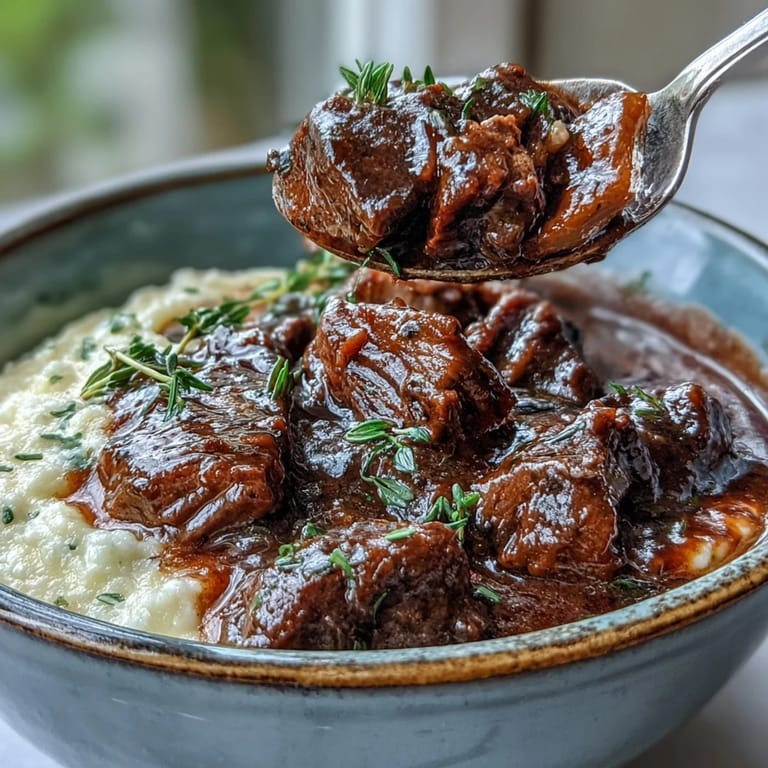
Save The first snow had just started falling when I decided to attempt this venison stew, the kind of recipe that demands a Sunday afternoon and absolutely nowhere else to be. Something about sloe gin and game meat felt perfectly suited to watching those fat flakes accumulate outside my kitchen window while the house filled with impossibly rich aromas. My husband kept wandering in from his office, pretending to check his email but clearly just hovering near the stove. We ended up eating at the kitchen table, leaving the dishes until morning, too warm and content to move.
I served this for a winter solstice dinner last year, watching friends who claimed they didnt like game meat go back for seconds. One of them actually texted me the next morning asking for the recipe, which is basically the highest compliment I know. Theres something almost ceremonial about ladling that dark, glossy stew over a bed of golden polenta, like youre serving something from a proper old fashioned kitchen rather than a modern apartment.
Ingredients
- 800 g venison shoulder: Shoulder cuts have the perfect balance of flavor and connective tissue that transforms into gelatinous magic during long cooking
- 2 tbsp olive oil: Use a neutral oil with a decent smoke point since you will be getting the pan properly hot for searing
- 1 large onion, 2 carrots, 2 celery stalks: This classic trio forms the flavor foundation that will support everything else
- 2 garlic cloves, minced: Add these after the vegetables have softened so they dont burn and turn bitter
- 2 tbsp tomato paste: This concentrates and deepens the sauce, adding that lovely rich color
- 150 ml sloe gin: The botanical notes and slight astringency balance the richness of the game meat beautifully
- 400 ml beef or game stock: Homemade is ideal but a good quality gluten free stock works perfectly well
- 1 tbsp redcurrant jelly: This little bit of sweetness mirrors the sloe gin and rounds out all the bold flavors
- 2 bay leaves, 2 sprigs fresh thyme, 1 tsp juniper berries: These aromatics work together to enhance the wild character of the venison
- 750 ml whole milk, 250 ml water: The milk makes the polenta properly creamy while the water keeps it from being too heavy
- 150 g polenta: Quick cooking polenta is perfectly fine here, no need to stand at the stove for an hour
- 40 g unsalted butter, 50 g grated Parmesan: These finish the polenta into something that could almost be a meal on its own
Tired of Takeout? 🥡
Get 10 meals you can make faster than delivery arrives. Seriously.
One email. No spam. Unsubscribe anytime.
Instructions
- Get your meat properly browned:
- Heat the olive oil in a large, heavy based casserole over medium high heat until it shimmers. Brown the venison cubes in batches, letting them develop a dark crust on all sides before setting them aside. Resist the urge to crowd the pan or the meat will steam instead of sear.
- Build your flavor base:
- In the same pan, add the onion, carrots, and celery. Cook for 5 to 7 minutes until softened and fragrant. Stir in the garlic and tomato paste, cooking for another minute until the tomato paste has darkened slightly and smells intensely savory.
- Degenerate and build the sauce:
- Return the venison to the pan along with any resting juices. Pour in the sloe gin and let it bubble for 2 minutes, scraping up any browned bits from the bottom of the pan. The smell will be incredible.
- Add everything else:
- Pour in the stock, then stir in the redcurrant jelly, bay leaves, thyme, and juniper berries. Season generously with salt and pepper. The liquid should just about cover the meat.
- Let it cook slowly:
- Bring to a gentle simmer, cover, and cook on the lowest heat setting for about 2 hours. Stir occasionally and add a splash of water if it gets too thick. The venison is ready when it yields easily to a fork.
- Make the polenta while the stew finishes:
- Heat the milk and water in a saucepan until just simmering, watching carefully so it doesnt boil over. Gradually whisk in the polenta in a steady stream to avoid lumps. Cook over low heat, stirring constantly, for 5 to 10 minutes until thick and creamy.
- Finish the polenta:
- Remove from heat and stir in the butter and Parmesan until melted and incorporated. Season to taste with salt. Cover to keep warm until serving.
- Bring it all together:
- Discard the bay leaves and thyme sprigs from the stew. Taste and adjust the seasoning if needed. Serve the venison stew hot over a bed of creamy polenta, with something green on the side if you feel virtuous.
 Save
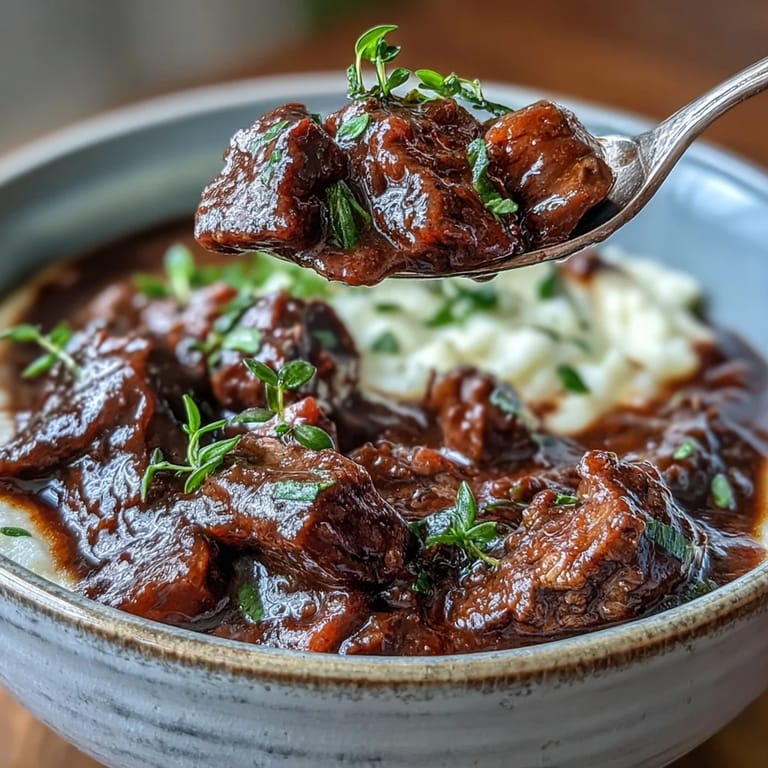
Save This recipe has become my go to for those bleak January weekends when you need something substantial to believe in spring will eventually return. Last time I made it, we sat around the table for hours after eating, just talking and watching the fire die down, which is probably the highest endorsement I can give any dish.
Getting the Best from Your Venison
Game meat has a reputation for being tricky but venison is actually quite forgiving if you understand its nature. The meat is much leaner than beef or lamb, which means it benefits from longer, slower cooking and some fat added back into the dish. I have learned that shoulder cuts are ideal for stewing because they have enough connective tissue to break down into silkiness.
The Magic of Sloe Gin
If you have never cooked with sloe gin, you are in for something special. The slight astringency and berry notes cut through rich game meat in a way that wine simply cannot. I keep a bottle specifically for cooking, though the occasional glass while preparing the stew is not mandatory. Port makes a perfectly acceptable substitute if sloe gin proves elusive.
Polenta Perfection
Good polenta is mostly about patience and constant stirring. Whisking it into the hot liquid gradually prevents lumps, while regular stirring ensures it cooks evenly and does not stick to the bottom of the pan. The addition of butter and Parmesan at the end is not optional, it is what transforms a humble grain into something truly luxurious.
- If the polenta becomes too thick, stir in a little more milk or water until you reach the desired consistency
- Leftover polenta can be spread into a tray, chilled, then sliced and fried for breakfast the next day
- For a dairy free version, use all water or vegetable stock and finish with olive oil instead of butter
 Save
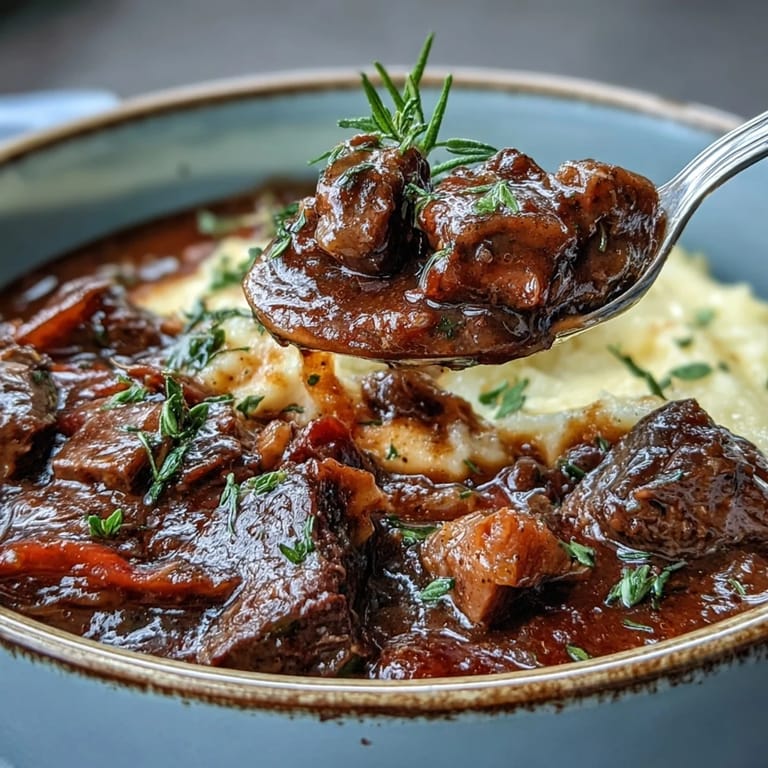
Save There is something deeply satisfying about a recipe that demands such little active work but rewards you with such complex flavors. This is the kind of food that makes winter feel like a privilege rather than a punishment.
Recipe FAQ
- → Can I use a different type of meat if venison isn't available?
While venison offers a unique flavor, you can substitute it with other stewing meats like beef chuck or lamb shoulder. Adjust cooking times slightly as needed, ensuring the meat becomes fork-tender.
- → What can I use instead of sloe gin?
If sloe gin is unavailable, a good quality port, red wine, or another berry liqueur would make an excellent substitute. Each will impart a slightly different, but still complementary, flavor profile to the stew.
- → How do I ensure my venison stew is tender?
The key to tender venison is slow cooking over low heat. Browning the meat first locks in flavor, then simmering for at least 2 hours, or until it easily pulls apart, ensures a wonderfully tender result.
- → Can I prepare the polenta in advance?
Polenta is best served fresh and hot, as it can firm up considerably as it cools. If you must prepare it ahead, you can gently reheat it with a splash of milk or stock, stirring well until creamy again.
- → What are some good garnishes or accompaniments for this stew?
Fresh parsley or thyme make excellent garnishes. For a fuller meal, consider serving alongside crusty bread to soak up the delicious sauce, or a simple green salad.
- → Is this dish suitable for making ahead?
Absolutely! Venison stew often tastes even better the next day as the flavors deepen. Prepare the stew fully, then store in the refrigerator. Reheat gently on the stovetop, adding a little extra stock or water if needed. Prepare the polenta fresh when serving.