 Save
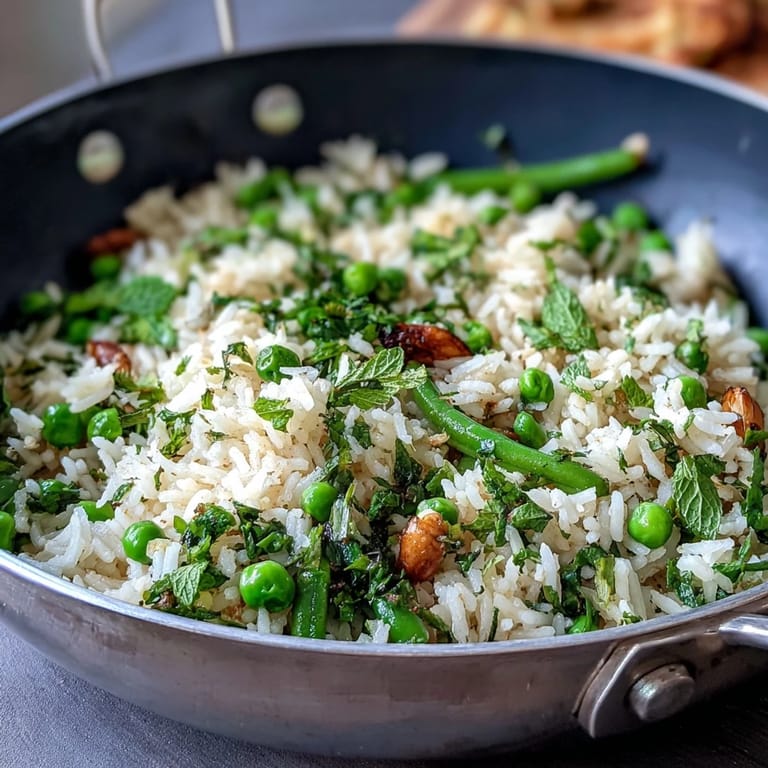
Save There's something about the smell of butter and garlic hitting a warm pan that tells you spring has officially arrived in your kitchen. I was standing in the farmers market last April, overwhelmed by the sheer abundance of tender peas still in their pods, when an older woman next to me mentioned she makes the simplest pilaf with them and fresh mint every year. Three minutes of conversation later, I was committed to trying it, and now it's the side dish I make whenever I want the meal to feel effortless but special.
I made this for Easter dinner last year when my sister volunteered to host and I offered to bring two sides. I arrived with this pilaf in a lidded container and a pot roast situation happening in my car, and honestly, people spent more time talking about the rice. There was something about watching my nephew go back for thirds that made me realize the best dishes are the ones that don't demand attention but somehow deserve it anyway.
Ingredients
- Long-grain white rice: Basmati and jasmine both work beautifully here because they stay separate and don't get gummy, which matters when you're building flavor with herbs and vegetables.
- Low-sodium vegetable broth: This gives you control over the salt level and lets the delicate pea and mint flavors come through without being drowned out.
- Fresh or frozen spring peas: Fresh peas in late spring are a dream, but frozen ones are genuinely just as good and you'll actually have them on hand when you need them.
- Yellow onion: It softens into sweetness and creates the aromatic foundation that makes people ask what smells so good.
- Unsalted butter: Two tablespoons might seem modest, but it coats each grain and creates richness without heaviness.
- Garlic: Just two cloves keep this subtle and herbaceous rather than overwhelming.
- Fresh mint: This goes in at the very end so it stays bright and doesn't turn dark and mushy, which was a lesson I learned the hard way.
- Fresh parsley: Optional but lovely for a little earthiness and visual interest.
- Lemon zest: More important than you'd think, this adds a whisper of citrus that wakes everything up.
- Salt and pepper: Taste as you go because the broth already has sodium and you want to land on the right note.
Tired of Takeout? 🥡
Get 10 meals you can make faster than delivery arrives. Seriously.
One email. No spam. Unsubscribe anytime.
Instructions
- Rinse your rice:
- Run cold water over the grains in a fine mesh strainer, stirring gently with your fingers, until the water runs clear. This removes excess starch and keeps the rice from sticking together like a sad paste.
- Toast the aromatics:
- Melt butter in a medium saucepan over medium heat, then add the chopped onion and let it soften for a couple minutes until it turns translucent and sweet-smelling. Add the minced garlic, count to 30 while it releases its fragrance, then stir in your rinsed rice.
- Coat the grains:
- Stir the rice constantly for about a minute so each grain gets coated with the buttery aromatics. You'll see the rice start to look a little glossy and smell toasted.
- Add your liquid:
- Pour in the vegetable broth, sprinkle in salt and pepper, and bring everything to a boil. Once you see big bubbles breaking the surface, reduce the heat to low, cover with a lid, and don't peek for 15 minutes.
- Introduce the peas:
- Lift the lid carefully, stir in the peas (straight from the freezer is fine, they'll thaw in the residual heat), cover again, and let it cook for 5 more minutes until the rice is tender and the liquid has been absorbed.
- Rest and fluff:
- Turn off the heat, leave the lid on, and wait 5 minutes. This lets everything settle and finish cooking gently. Then use a fork to fluff the rice, breaking up any clumps and aerating the grains.
- Finish with brightness:
- Stir in the fresh mint, parsley if you're using it, and lemon zest. Taste it and adjust the salt if needed, then serve while it's warm.
 Save
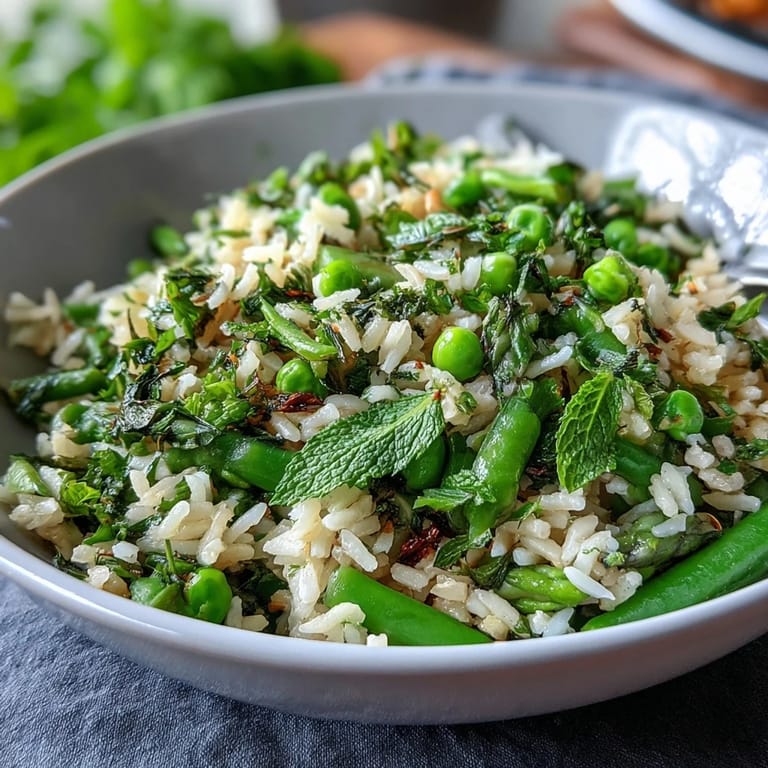
Save My partner came home from work one evening in May to find me standing at the stove with a forkful of this rice halfway to my mouth, just tasting it alone in the kitchen. He asked what I was making so seriously, and when I told him it was just a side dish, he laughed and asked if he could have some anyway. That's when I knew this recipe had crossed over from practical to something I'd be making for years.
When to Serve This Pilaf
This is the kind of side dish that makes sense alongside roasted chicken, baked ham, grilled fish, or even a simple frittata. The lightness of the peas and mint means it doesn't compete with the main event, but it's interesting enough that you won't forget it five minutes after eating. Spring and early summer are its natural seasons, but honestly, frozen peas mean you can make it year-round whenever you need something that feels fresh and intentional.
Making It Your Own
The base of this recipe is flexible enough that you can adjust it to match what you have on hand or what you're craving. Some people add diced bell pepper along with the onion, others stir in a handful of toasted pine nuts at the end for texture, and I've seen versions with fresh dill instead of parsley. The framework stays the same, but you get to be creative within it.
Storage and Reheating
This pilaf can be made a few hours ahead if you're planning a dinner party, which is one of its best qualities. Store it in a covered container at room temperature, and when you're ready to serve, gently reheat it in a pan over low heat with a splash of broth or water, stirring occasionally so nothing sticks.
- Let it cool completely before covering it if you're storing it in the fridge to prevent condensation from making the rice soggy.
- It keeps for about three days refrigerated, though honestly it's best enjoyed within a day or two when the mint is still bright.
- You can freeze it for up to a month, though the texture will be slightly softer when you thaw and reheat it.
 Save
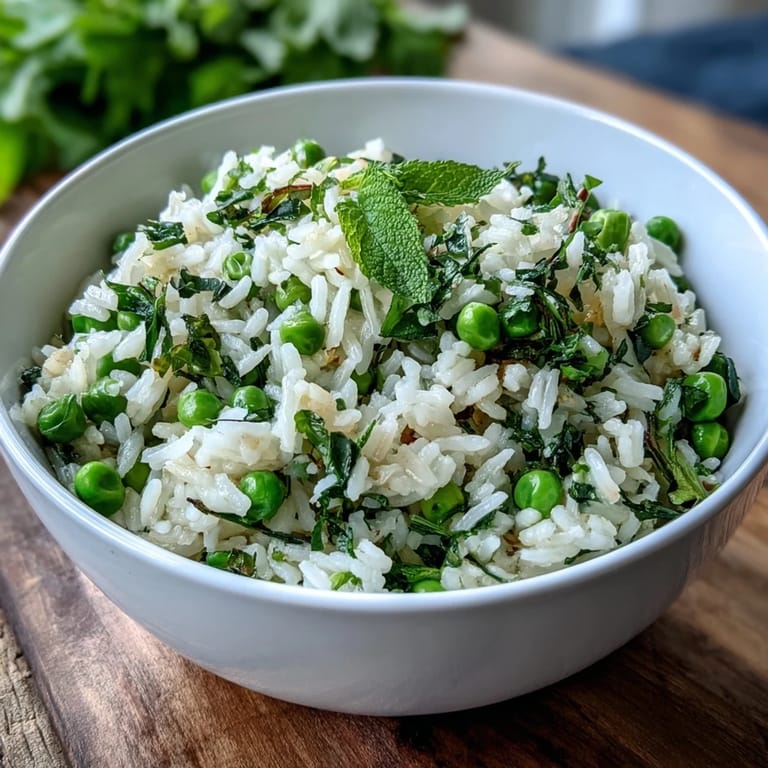
Save This pilaf has taught me that sometimes the most memorable dishes are the simple ones that let a few good ingredients speak for themselves. Make it when you want your table to feel a little bit spring-like, no matter what season it actually is.
Recipe FAQ
- → Can I use frozen peas in this pilaf?
Yes, frozen peas can be added directly from the freezer during the final cooking stage, maintaining their sweetness and texture.
- → What type of rice works best for this dish?
Long-grain varieties like basmati or jasmine give a fluffy texture and absorb the broth flavors well.
- → How can I make this dish vegan?
Substitute the butter with plant-based butter or olive oil to keep it rich and flavorful without dairy.
- → Is it necessary to rinse the rice before cooking?
Rinsing removes excess starch, helping the grains cook up fluffy and separate rather than sticky.
- → Can I prepare this pilaf ahead of time?
Yes, it can be made in advance and gently reheated with a splash of broth to restore moisture.