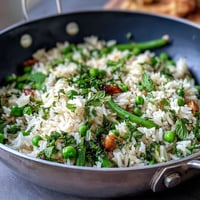
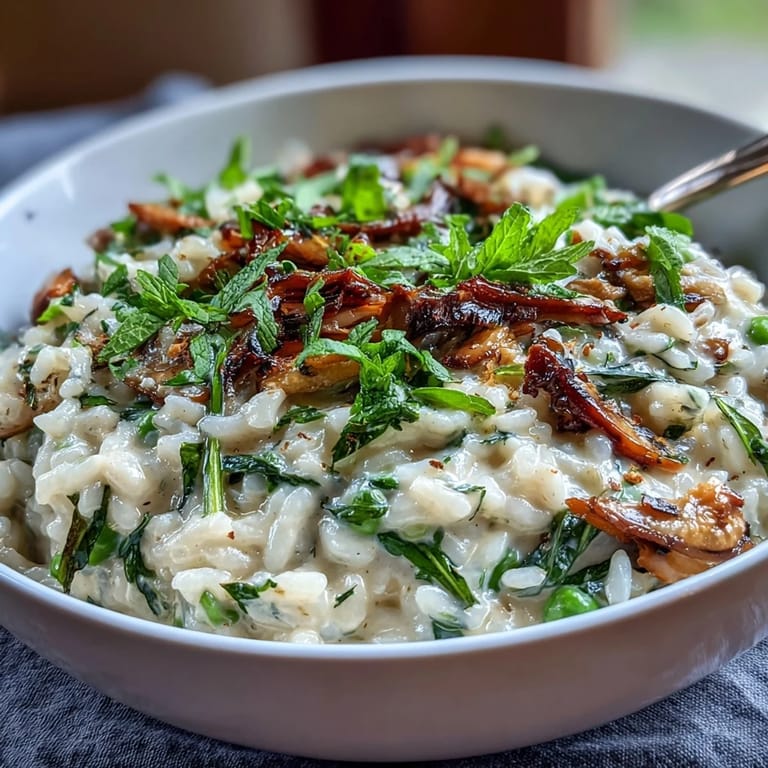
 Save
Save My neighbor knocked on my kitchen door one April evening with an armful of fresh mint from her garden, and I knew exactly what needed to happen. There's something about spring peas hitting the market that makes you want to do something elegant but unpretentious, and risotto felt like the answer. The way the rice absorbs all that bright herb-infused broth, how it transforms into something silky and almost luxurious without any fussiness—that's when I understood why this dish has been making people look up from their plates for centuries.
I made this for four friends last May when someone asked me to host dinner, and I remember the panic—until I started stirring that rice. There's something grounding about the repetitive motion, watching the rice slowly release its starch and create that natural creaminess. By the time I stirred in the mint and finished it with fresh lemon, I'd stopped worrying about impressing anyone and just enjoyed the simple joy of feeding people good food.
Ingredients
- Fresh or frozen green peas (1 cup): Fresh peas have a delicate sweetness that frozen ones capture pretty well, so don't stress if your farmer's market doesn't have them—frozen is genuinely your friend here.
- Arborio rice (1 1/2 cups): This short-grain rice naturally releases starch as it cooks, which is what creates that creamy texture without any cream, so it's not optional.
- Vegetable stock (4 cups, kept warm): Warming your stock before you add it helps the rice cook evenly and absorb the liquid more smoothly—cold stock will shock the rice and mess with your timing.
- Dry white wine (1/2 cup): Use something you'd actually drink; cheap wine makes cheap-tasting risotto, and you'll taste the difference in every bite.
- Unsalted butter (3 tbsp, divided): The butter is doing the heavy lifting here for flavor and creaminess, so quality matters—use good butter.
- Parmesan cheese (1/2 cup, freshly grated): Grate it fresh right before you use it; pre-grated cheese has anti-caking agents that prevent it from melting smoothly into your risotto.
- Fresh mint (1/4 cup, finely chopped): Mint is the star here, not a background note—don't hold back, and add it right at the end so it stays bright and aromatic.
- Lemon zest: One small zest adds a subtle brightness that makes people pause and ask what that flavor is; it's the secret weapon.
Tired of Takeout? 🥡
Get 10 meals you can make faster than delivery arrives. Seriously.
One email. No spam. Unsubscribe anytime.
Instructions
- Soften your aromatics gently:
- Melt 2 tablespoons of butter over medium heat and let your chopped onion turn soft and translucent—this takes about 4 minutes and you'll know it's ready when the pieces look almost glassy. Add the garlic for just one more minute so it perfumes the butter without turning bitter.
- Toast the rice in butter:
- Stir the Arborio rice into that buttery, aromatic base and let it cook for about 2 minutes, stirring so every grain gets coated. You'll hear a subtle toasting sound and the rice will smell slightly nutty—that's exactly what you want.
- Deglaze with white wine:
- Pour in the white wine and keep stirring while it sizzles and mostly absorbs into the rice, which takes about 2-3 minutes. This is where the wine flavors integrate rather than just evaporating away.
- Build creaminess with patient stirring:
- Start adding your warm vegetable stock one ladle at a time, stirring constantly and waiting until most of the liquid disappears before adding the next ladle. This continuous stirring releases starch from the rice, and after about 18-20 minutes, you'll feel it transform from grainy to luxuriously creamy.
- Add peas at the last moment:
- Stir in your fresh or frozen peas about 5 minutes before the rice finishes cooking—any longer and they'll lose their bright color and tender texture. They just need to warm through and become tender enough to eat.
- Finish with butter, cheese, and herbs:
- Remove the pan from heat and stir in the remaining butter, freshly grated Parmesan, chopped mint, lemon zest, salt, and pepper. The residual heat will melt everything into a silky, cohesive risotto without any grittiness.
- Taste and adjust before serving:
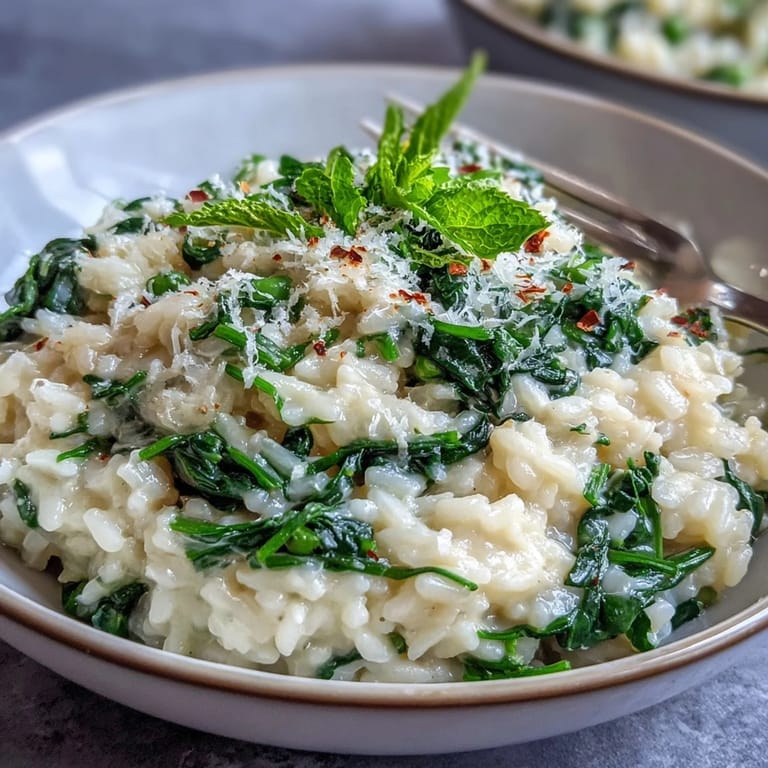
- Take a spoon and taste—risotto is very forgiving about seasoning adjustments, so add more salt, pepper, or lemon zest until it tastes balanced and bright to you. Serve immediately while it's still creamy and warm, with extra Parmesan scattered on top and a mint leaf or two for color.
 Save
Save One evening, my daughter tasted this risotto and said it tasted like someone had bottled spring, which might be the nicest compliment a dish has ever received. That's when I realized this wasn't just dinner anymore—it was the kind of meal that makes people slow down and actually taste what they're eating.
Timing and Rhythm
Risotto has a natural rhythm that you learn by feel rather than watching the clock. The first few ladles of stock get absorbed quickly, then the pace slows as the rice swells, and by the end, you're adding smaller amounts because the rice is already so full. Listen for the gentle sound of the spoon scraping the bottom of the pan as you stir—that's your cooking meditation, your reassurance that nothing's sticking.
Wine Pairing and Serving
This risotto pairs beautifully with crisp white wines like Sauvignon Blanc or Pinot Grigio—the acidity cuts through the creaminess and keeps each bite feeling fresh. Serve it in shallow bowls rather than deep ones so the risotto spreads out and cools slightly as you eat it, and always serve immediately, because risotto doesn't really wait well. A drizzle of good olive oil and a crack of black pepper right before serving adds a final layer of elegance that your guests will notice.
Variations and Ingredient Swaps
Spring vegetables are your playground here—asparagus, snap peas, or wild mushrooms would all slide into this risotto with minimal fuss. Some nights, I add a handful of arugula at the very end for a slight peppery bite, or swap the mint for basil if I'm in a different mood entirely. If you can't find Arborio rice, Carnaroli rice works too, though it's slightly firmer and won't be quite as creamy.
- Fresh peas are wonderful, but frozen ones deliver just as much flavor and are honestly more convenient most of the year.
- A splash of good-quality olive oil drizzled over the top right before serving adds a luxurious finish that your guests will taste and admire.
- Always taste and adjust your seasoning at the very end—risotto can handle a little extra salt and definitely welcomes extra lemon zest if you love brightness.
 Save
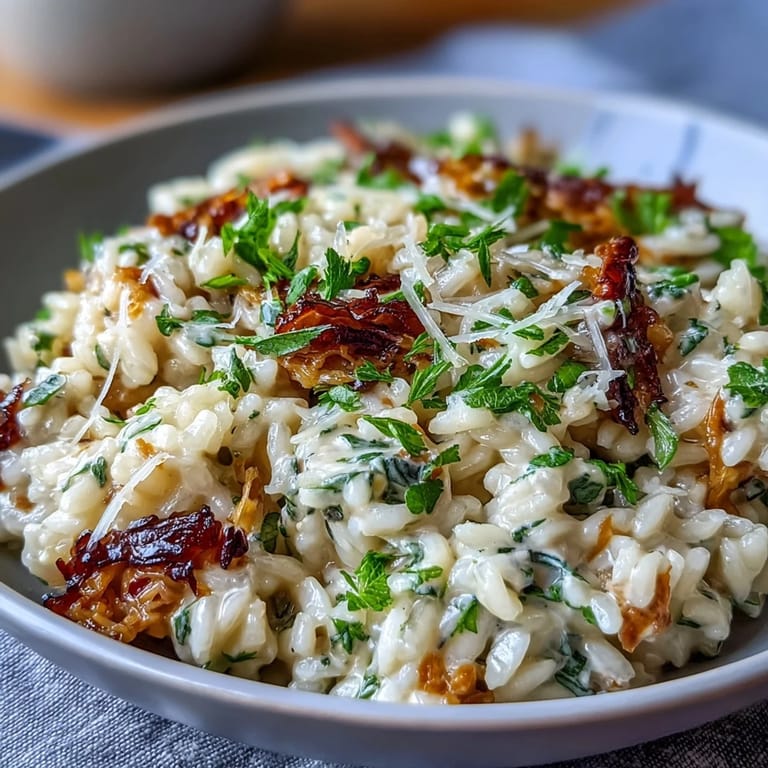
Save This risotto taught me that impressive dinner party food doesn't require fancy techniques or hard-to-find ingredients—just attention, good ingredients, and the willingness to stir. Make it whenever spring feels like it needs celebrating.
Recipe FAQ
- → How do I keep the peas bright and tender?
Add peas during the last five minutes of cooking to ensure they retain their fresh color and tender texture.
- → Can I use frozen peas instead of fresh?
Yes, frozen peas can be used as a convenient substitute without significantly altering the dish’s flavor or texture.
- → What’s the best way to cook Arborio rice for risotto?
Toast the rice lightly in butter before adding liquids slowly, stirring continuously to help release starch and create a creamy texture.
- → Why is white wine added during cooking?
White wine adds acidity and depth, helping to balance the creaminess of the dish and enhance the other flavors.
- → How can I adjust the seasoning at the end?
Taste the dish once the cheese and herbs are mixed in, then add salt, pepper, or lemon zest as needed to suit your preferences.