 Save
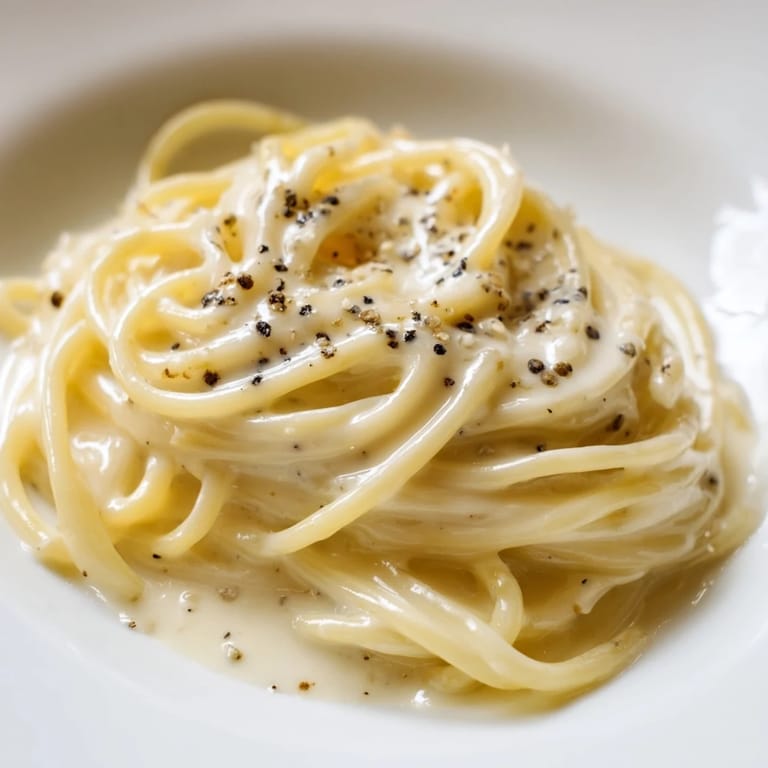
Save The first time I nailed cacio e pepe, I was wearing pajamas at midnight, craving something that felt like a hug. I'd failed twice before—once the cheese turned into rubber strings, another time the sauce split into greasy puddles. But that night, standing barefoot on cold tile, I finally understood what the starchy pasta water was supposed to do. It wasn't magic, just chemistry, and suddenly this deceptively simple Roman dish made sense.
I made this for my sister after she had a brutal week at work, and she sat at my counter in silence, twirling fork after fork, barely looking up. When she finally spoke, she just said, this is exactly what I needed. That's the thing about cacio e pepe: it doesn't need garnishes or fanfare. It speaks for itself, and somehow that makes it the perfect dish to share when words aren't enough.
Ingredients
- 400 g spaghetti: The shape matters here because you need something that holds the creamy sauce in every twist, and spaghetti does that beautifully without overwhelming the delicate balance of cheese and pepper.
- 120 g Pecorino Romano cheese, finely grated: This is the star, sharp and salty, and you must grate it fresh because pre-grated versions contain anti-caking agents that ruin the emulsion.
- 2 tsp freshly cracked black pepper: Toasting it releases oils you didn't know existed, turning ordinary pepper into something aromatic and almost floral.
- Salt, for pasta water: Don't skip salting the water generously because it's your only chance to season the pasta itself from the inside out.
Tired of Takeout? 🥡
Get 10 meals you can make faster than delivery arrives. Seriously.
One email. No spam. Unsubscribe anytime.
Instructions
- Boil the pasta:
- Bring a large pot of salted water to a rolling boil, add the spaghetti, and cook just until al dente, making sure to scoop out a full cup of that starchy cooking water before you drain. That water is liquid gold for building your sauce.
- Toast the pepper:
- While the pasta cooks, add the black pepper to a large skillet over low heat and let it toast for a minute or two until you can smell it filling the kitchen. This step wakes up the pepper and makes it taste alive.
- Build the base:
- Pour about half a cup of the hot pasta water into the skillet with the toasted pepper and let it simmer gently. You're creating the foundation for the sauce, so don't rush this.
- Toss the pasta:
- Add the drained spaghetti directly into the skillet and toss it around in the peppery water until every strand is coated. The pasta should glisten and start to soak up the liquid.
- Add the cheese:
- Turn the heat to the lowest setting, then sprinkle in the Pecorino a handful at a time, tossing constantly and vigorously with tongs until the cheese melts into a creamy, glossy sauce. Add more reserved pasta water a splash at a time if it looks too thick or starts to clump.
- Serve immediately:
- Transfer to warm bowls and finish with extra grated Pecorino and a generous crack of black pepper on top. This dish waits for no one, so eat it while it's hot and silky.
 Save
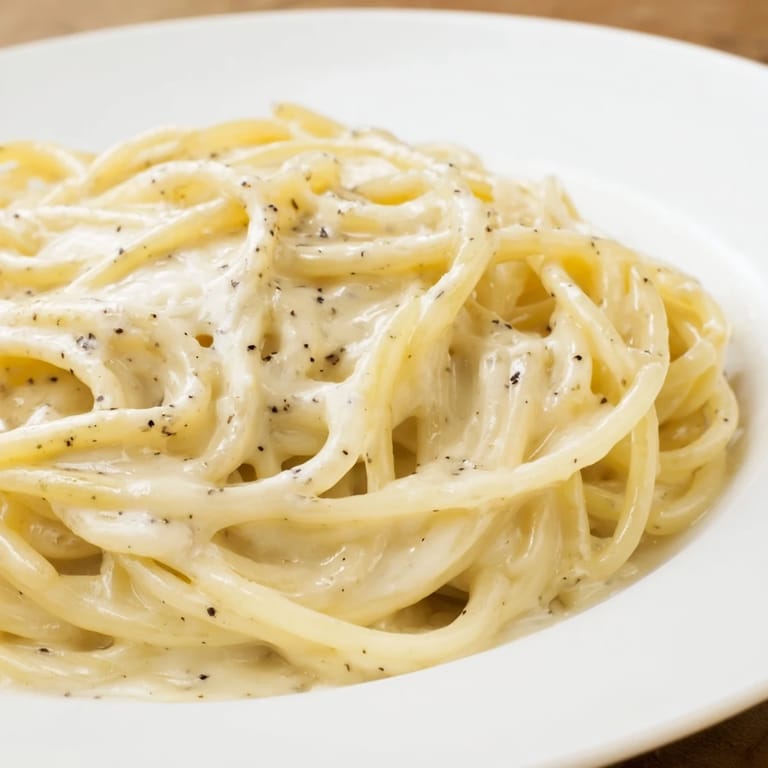
Save There was a night I served this to friends who claimed they didn't like simple food, and one of them scraped his bowl clean, then looked up embarrassed and asked if there was more. We ended up boiling another pound of pasta at eleven at night, laughing in my tiny kitchen, and that's when I realized cacio e pepe isn't just a recipe. It's permission to believe that simple things, done right, can be more satisfying than anything complicated.
Choosing Your Cheese
Pecorino Romano is traditional and brings that sharp, salty punch that defines the dish, but I've swapped in Parmigiano Reggiano when I wanted something milder and slightly sweeter. The texture changes a bit, becoming more delicate, but it's still delicious. Just remember that whatever cheese you use, it has to be freshly grated because the pre-shredded stuff will betray you every single time.
What to Serve Alongside
I usually keep it minimal because the pasta is rich enough to stand alone, but a simple arugula salad dressed with lemon juice and olive oil cuts through the creaminess perfectly. Sometimes I'll pour a crisp white wine like Vermentino, and the acidity makes each bite feel lighter. If you want bread, make sure it's crusty and warm, perfect for soaking up any sauce left in the bowl.
Storing and Reheating
Honestly, cacio e pepe doesn't love leftovers because the sauce tightens up and loses that silky magic once it cools. If you do have extra, store it in an airtight container in the fridge and reheat gently in a skillet with a splash of water or milk, tossing constantly to bring the sauce back to life. It won't be quite the same, but it's still worth eating.
- Reheat over the lowest heat possible to avoid the cheese separating again.
- Add liquid gradually, you can always add more but you can't take it back.
- Eat within one day for the best texture and flavor.
 Save
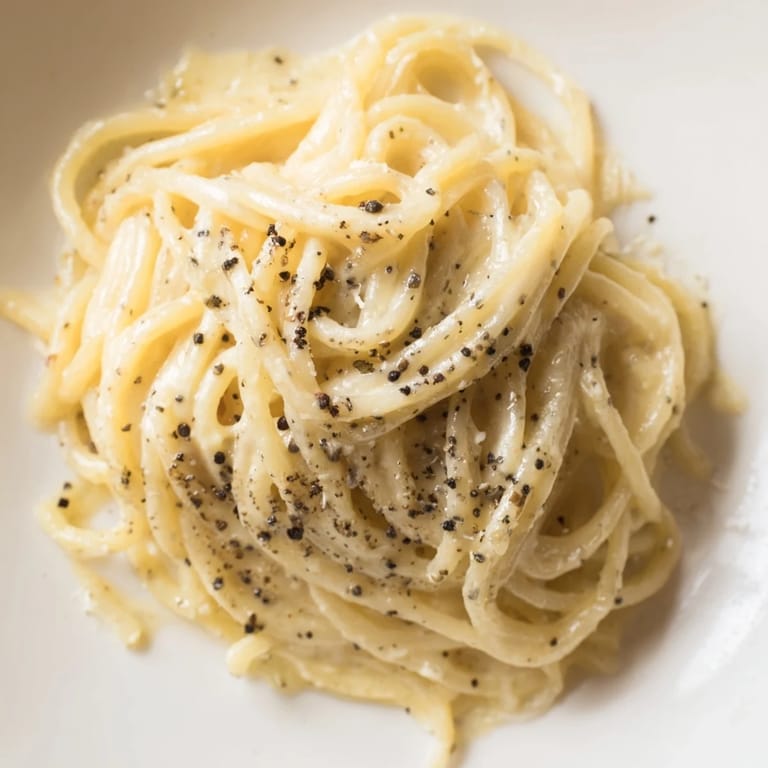
Save This dish taught me that technique matters more than fancy ingredients, and that sometimes the hardest recipes are the ones with nowhere to hide. Make it once, mess it up, then make it again, because the moment it all comes together is worth every failed attempt.
Recipe FAQ
- → What is the best cheese to use for Cacio e Pepe?
Pecorino Romano is the traditional choice, offering a sharp, salty flavor that defines this dish. Use freshly grated cheese rather than pre-grated to ensure proper melting and texture. Parmigiano Reggiano can substitute for a milder, less salty result.
- → Why is pasta water important in this preparation?
The starch in pasta water emulsifies with the cheese and fat, creating a creamy sauce without cream. Reserve at least one cup of cooking water and add it gradually while tossing to achieve a silky, cohesive texture.
- → How do I prevent the cheese from clumping?
Work quickly and vigorously while tossing, adding cheese gradually rather than all at once. Keep the heat low and continuously stir to allow even melting. Adding reserved pasta water helps maintain the smooth consistency.
- → Can I use regular black pepper instead of freshly cracked?
Fresh cracked pepper is essential for authentic Cacio e Pepe, as it provides superior flavor and texture. Pre-ground pepper lacks the aromatic quality needed for this simple dish where pepper is a starring ingredient.
- → What wines pair well with this pasta?
Crisp white wines complement the richness of the cheese. Try Vermentino, Pinot Grigio, or other dry whites that cut through the creamy sauce and enhance the peppery notes.
- → Can this dish be made vegan?
Traditional Cacio e Pepe contains cheese and is not vegan. However, you could experiment with nutritional yeast or cashew cream as alternatives, though these won't replicate the authentic salty, sharp flavor profile.