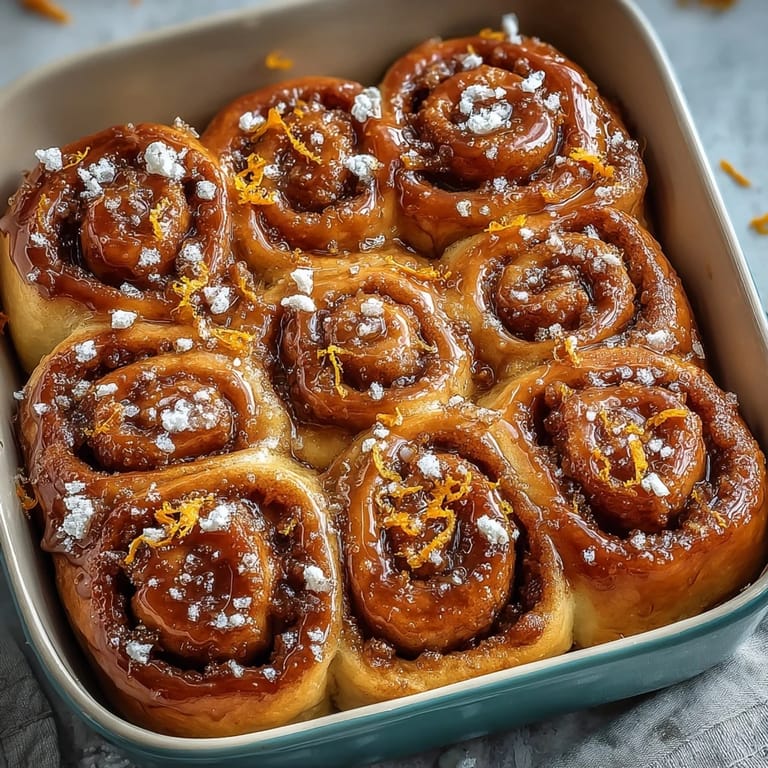
 Save
Save There's something almost magical about waking up to the smell of orange rolls baking, especially when you did most of the work the night before. My neighbor brought a batch to a lazy Sunday gathering, and I watched people's faces light up as they bit into these fluffy, citrus-kissed rolls—suddenly everyone wanted the recipe. What struck me wasn't just how good they tasted, but how she'd simply prepared them overnight and popped them in the oven in the morning. That's when I realized these rolls are less about complicated technique and more about smart timing.
I made these for my sister's book club meeting, thinking they'd be a nice addition to the spread. Instead, three people asked for the recipe before dessert was served, and one woman actually asked if I'd consider catering her daughter's wedding. That morning, my kitchen filled with this gentle citrus warmth, and I understood why my neighbor had shared them so eagerly—some things are just meant to be passed along.
Ingredients
- All-purpose flour (3 1/2 cups): The foundation that becomes impossibly soft and pillowy; measure by spooning into your cup rather than scooping to avoid packing it down.
- Granulated sugar (1/4 cup for dough, 1/2 cup for filling): Feeds the yeast and creates that subtle sweetness that lets the orange really shine through.
- Instant dry yeast (2 1/4 teaspoons): The magic ingredient that transforms this from dough to clouds; make sure it's fresh and your milk is truly lukewarm, not hot.
- Salt (1/2 teaspoon): Balances everything and strengthens the gluten network without being noticeable.
- Whole milk (3/4 cup, lukewarm): Creates tender crumb; room temperature or slightly warm milk wakes up the yeast perfectly.
- Unsalted butter (1/4 cup melted for dough, 1/4 cup softened for filling): The first adds richness to the dough, the second becomes the base for your sweet filling layer.
- Large eggs (2, room temperature): Bind everything together and add subtle richness that makes these rolls feel special.
- Fresh orange zest (3 teaspoons total): This is where the character comes from; use a microplane and don't skip it, as the oils in the zest are the real flavor.
- Powdered sugar (1 cup for glaze): Creates a glossy, smooth finish that clings to warm rolls beautifully.
- Fresh orange juice (2-3 tablespoons): Thinning agent that makes the glaze pourable and reinforces the citrus flavor.
Tired of Takeout? 🥡
Get 10 meals you can make faster than delivery arrives. Seriously.
One email. No spam. Unsubscribe anytime.
Instructions
- Mix your dry team:
- Whisk together flour, sugar, yeast, and salt in a large bowl, making sure everything is evenly distributed so the yeast doesn't get directly trapped against the salt.
- Combine the wet ingredients:
- In another bowl, whisk milk, melted butter, eggs, and orange zest until the zest is distributed throughout, so every spoonful has those bright citrus flecks.
- Bring them together:
- Pour the wet mixture into the dry and stir until a shaggy, sticky dough forms, then let it rest for 5 minutes before kneading.
- Knead until silky:
- By hand or with a stand mixer using the dough hook, knead for 7-8 minutes until the dough becomes smooth and elastic, no longer sticking aggressively to your hands. You're building structure that will help these rolls rise beautifully.
- First rise:
- Transfer to a greased bowl, cover loosely with plastic wrap, and let sit in a warm spot for 1-2 hours until the dough roughly doubles, which means it's ready for shaping.
- Roll and fill:
- Punch down gently, roll into a 10x16-inch rectangle on a floured surface, then spread softened butter over it and sprinkle with sugar and orange zest, making sure you get filling all the way to the edges.
- Roll and cut:
- Starting from the longer edge, roll tightly into a log, then cut into 12 equal pieces using a sharp knife or dental floss (floss cuts through without dragging).
- Arrange for overnight rise:
- Place rolls cut-side up in a greased 9x13-inch baking dish, cover tightly with plastic wrap, and refrigerate overnight, which lets flavors deepen and gives you a stress-free morning.
- Wake them up:
- Remove from the fridge and let sit at room temperature for 45-60 minutes until puffy and alive with anticipation, then preheat your oven to 350°F.
- Bake until golden:
- Bake for 22-25 minutes until the tops are a deep golden brown and the smell fills your entire house; they should jiggle slightly when you gently shake the pan.
- Make the glaze:
- While rolls bake, whisk powdered sugar with orange juice and zest until perfectly smooth and drizzly, adjusting juice if needed to reach the right consistency.
- Finish with glaze:
- Drizzle glaze generously over warm rolls straight from the oven, letting it pool in the spirals and creating that bakery-perfect finish.
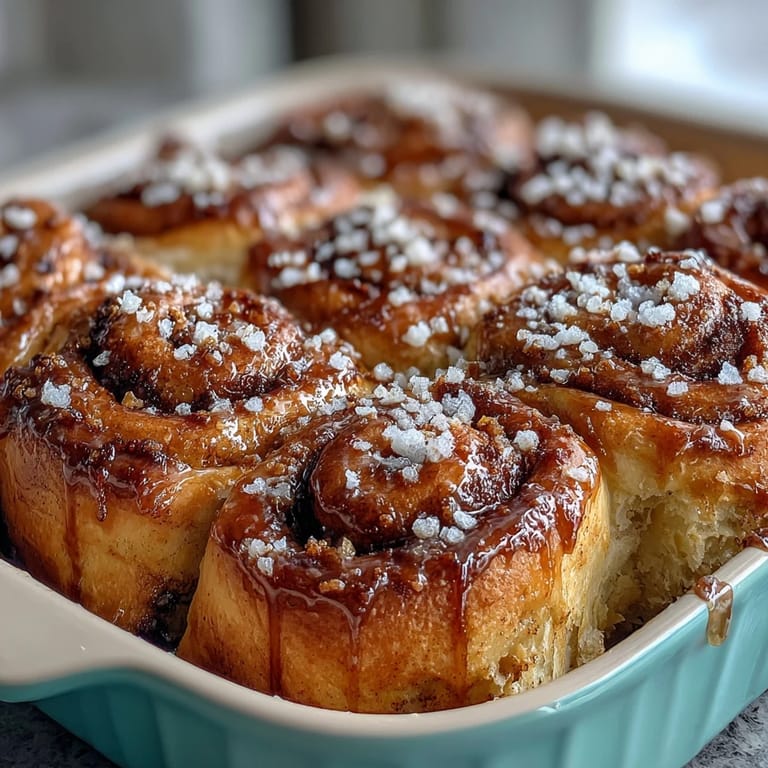 Save
Save There was a morning when I'd forgotten to pull the rolls from the fridge the night before, and I panicked thinking they were ruined. Instead, I just gave them extra time at room temperature, and they turned out even better—more developed flavor, more pronounced orange notes. That taught me these rolls are forgiving in ways that matter.
The Overnight Rise Secret
The overnight refrigeration isn't just convenient; it's actually where the magic deepens. The cold slows fermentation, allowing flavors to meld and develop complexity that a quick rise can't achieve. Your rolls taste better because time, not heat, has done the heavy lifting. I've made these same rolls both ways, and the difference is noticeable—overnight rolls have a tang and depth that quick versions miss.
Orange Zest Matters Most
Don't think of orange zest as optional garnish; it's the entire personality of this recipe. The oils in the zest contain bright, volatile compounds that make these rolls distinctly themselves. I learned this the hard way by using bottled zest once, and the rolls tasted like generic sweet bread with a vague citrus whisper instead of having that confident, fresh orange presence. Fresh zest, applied with a microplane, transforms these from breakfast rolls into something memorable.
Variations and Flavor Boosters
These rolls are a canvas, and once you've mastered the base, you can play with them endlessly. Some mornings I add cardamom to the filling for a subtle spiced warmth that pairs beautifully with the orange. Other times I substitute half the milk with fresh orange juice for extra richness and flavor intensity that makes the kitchen smell even more inviting. I've also experimented with a cream cheese glaze instead of the powdered sugar version, and while it's less traditional, it creates something almost decadent.
- Try adding cardamom to the filling for a sophisticated, subtle spice that complements citrus naturally.
- Substitute half the milk with fresh orange juice if you want deeper orange flavor that comes through in every bite.
- Consider a cream cheese glaze if you're feeding people who lean toward richer breakfasts and don't mind a less traditional approach.
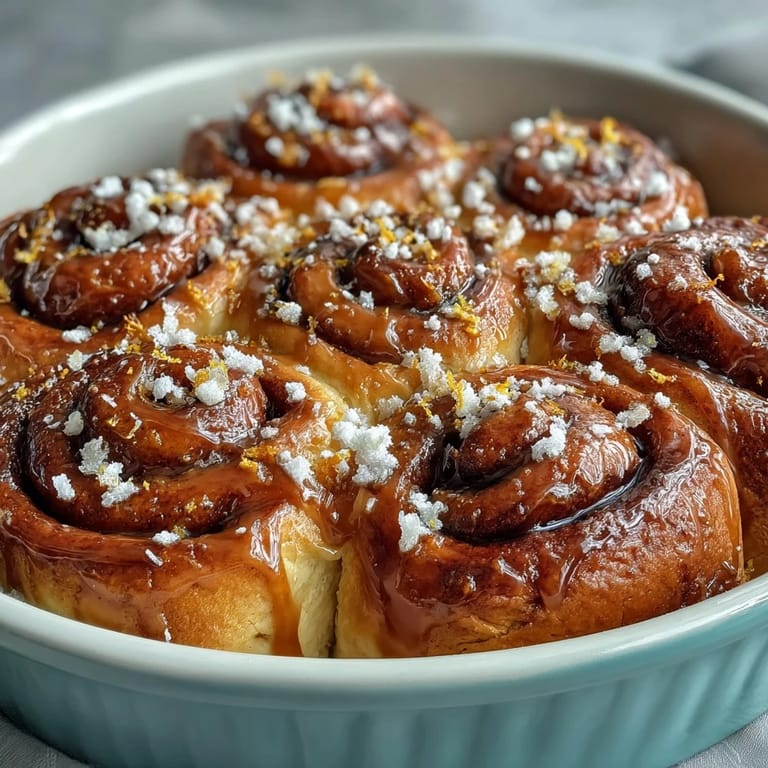 Save
Save These rolls have become my answer to wanting something special without the stress. There's real joy in pulling warm, citrus-scented rolls from the oven and watching people's faces as they taste them, knowing you did almost everything while they were sleeping.
Recipe FAQ
- → Can I substitute fresh orange zest with dried zest?
Fresh orange zest provides the brightest citrus flavor, but dried zest can be used sparingly. Expect a milder aroma and taste.
- → How does the overnight resting affect the dough?
Chilling the dough overnight allows flavors to deepen and gluten to relax, resulting in softer, more tender rolls with improved texture.
- → What is the best way to cut rolls evenly?
Using a sharp knife or dental floss ensures clean, uniform slices without squashing the dough.
- → Can I add spices to enhance flavor?
A pinch of cardamom or cinnamon in the filling adds a subtle warmth that complements the citrus notes well.
- → Should the rolls be served warm or cooled?
They are best enjoyed warm, shortly after glazing, to highlight their tender crumb and fresh zest aroma.